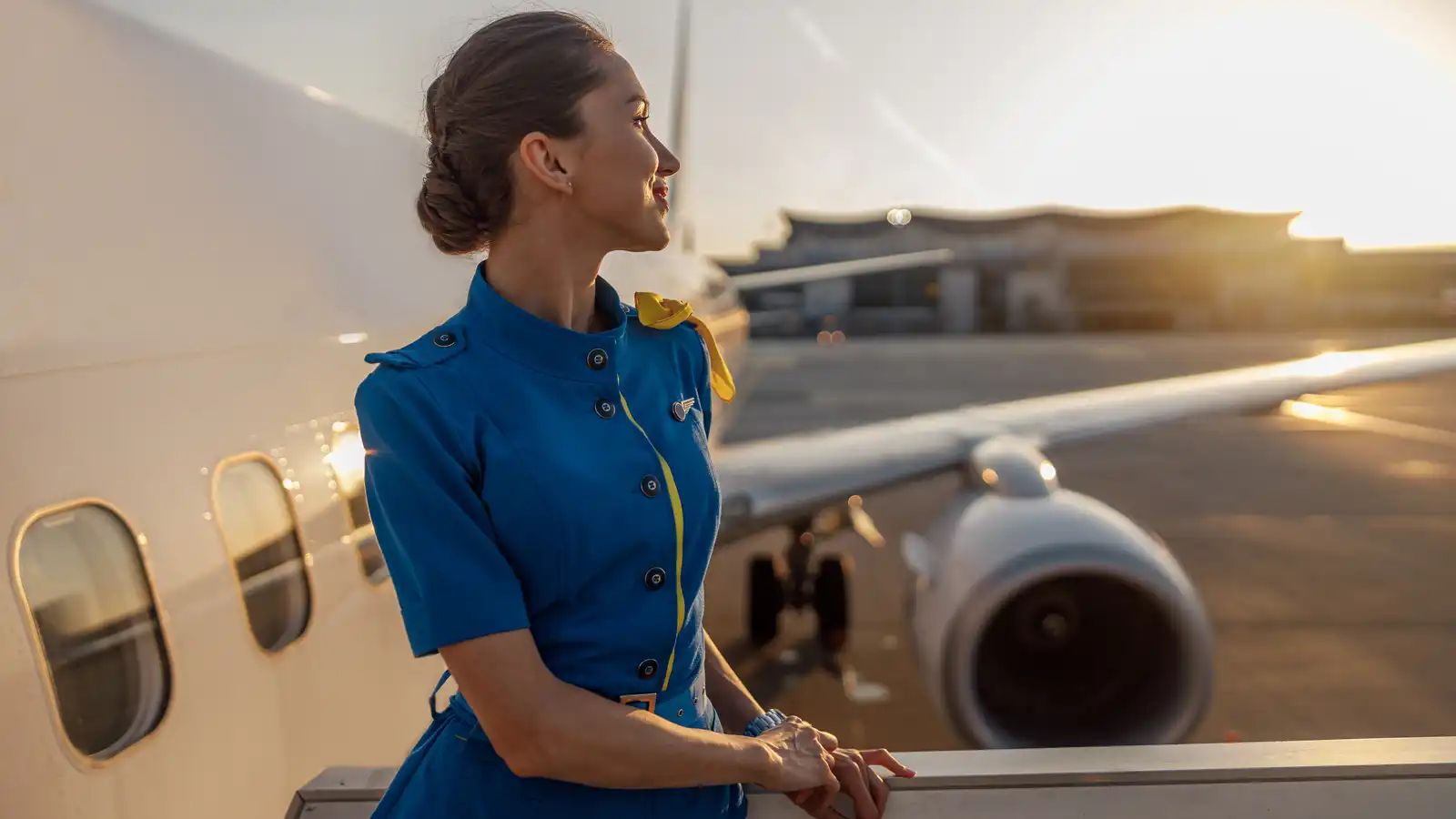
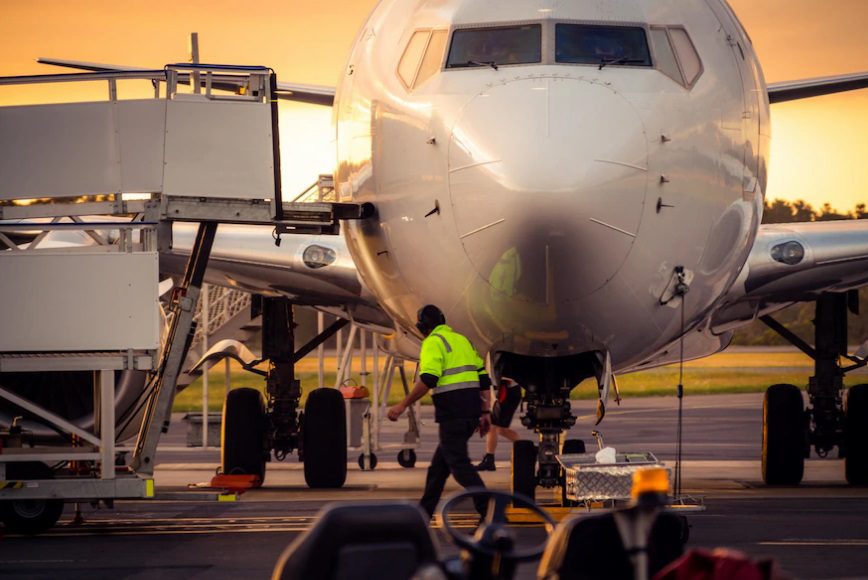
he aviation industry has been at the front line to embrace new technologies. Innovation encompasses growth and efficiency through advanced aircraft to digital ticketing systems. Artificial Intelligence (AI) has become one of the most potent tools in recent years that has changed passenger experience and airline operations.
Students who aspire to work in the aviation field (cabin crew, ground staff, or in other operational positions) after 12th should understand the implications of AI. The role of AI in the aviation industry has brought in tremendous changes. In Zeal Wings Academy, we are not just training students in aviation skills but also in understanding how new technologies are influencing the industry upon which they are about to venture.
What is Artificial Intelligence in Aviation?
Artificial Intelligence can be defined as computer-based systems that can perform functions traditionally handled by human intelligence- decision-making, learning, problem solving etc. In aviation, AI is applied to:
- Predict passenger needs
- Enhance safety and efficiency.
- Automate routine tasks
- Customize travel experiences.
- Assist in operational decision-making.
This fusion of technology and aviation makes the activities of airlines easier and the travel of passengers more comfortable.
AI in passenger experience:
Aviation revolves around passenger satisfaction. Airlines desire passengers to experience comfort, safety and appreciation. Airlines would like their passengers to have a feeling of comfort, security, and value. AI is improving the passenger experiences in the following ways:
Customized Travel Support
Through the support of the AI-based systems, the preferences of passengers, such as their choice of seats, menu, or travel history, can be checked, and customized services can be offered to them. An example would be the provision of customised menu or seat selection in the regular flyers.
Faster Check-In and Boarding
The contribution of self service kiosks, biometric verification and AI based check-ins prevent wastage of time. This will guarantee a smoother boarding process and the passengers begin their journey without stress.
Share real-time information
Artificial intelligence-powered apps and chatbots inform the passengers about the change of gates, delays, or baggage location in real-time. Travelers do not wait to be announced and instead get individual notifications.
Multilingual Communication
Artificial intelligence has the potential to translate announcements and offer customer support in various languages. This facilitates communication particularly during international flights where there is a variety of passengers with different backgrounds.
In-Flight Comfort
The smart in-flight entertainment systems suggest movies or shows depending on the preferences of the passengers, and AI can also track the conditions in the cabin such as lights and temperature to ensure that it is comfortable enough.
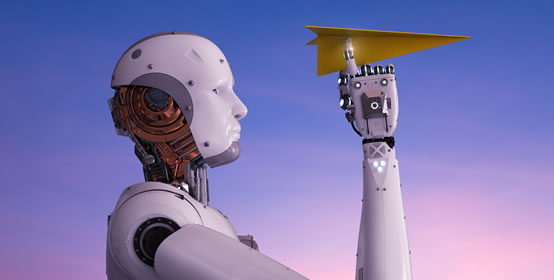
Artificial Intelligence in Aviation
We choose the right person for the right role
Role of AI in Airline Operations:
A sophisticated network of airline operations underlies every smooth passenger travel. AI has revolutionized the way airlines operate flights, employees, and resources.
- Predictive Maintenance
Aircraft health is monitored in real time by AI-controlled sensors. They are able to anticipate when a component should be repaired or replaced, eliminating any unforeseen delays and enhancing safety.
- Route Optimization and Flight Scheduling.
The AI systems are used to analyze weather, fuel efficiency, and air traffic to recommend the most efficient flight routes. This is time saving, cost reducing and low environmental impact.
- Baggage Handling
The AI-powered bag-tracking systems minimize the chances of lost luggage by tracking bags along the way. Even passengers are able to monitor the status of their baggage in real time.
- Crew Management
AI assists airlines in planning the crews, making sure they have people when they need them and do not get exhausted. The result is the quality of services and increased satisfaction of staff.
- Security and Safety
Surveillance and scanning machines that are powered by AI can help increase the security of airports by detecting possible threats as fast as possible. This guarantees safer travelling among passengers.
The Future of AI in Aviation
AI is not only bettering the current systems- it is the future of aviation. Some of the exciting developments are:
- Smart Airports: Completely automated airports with artificial intelligence at check-in, security, and boarding.
- Voice-Assisted Service: Customers engaging AI assistants to ask directions on their travels.
- Data-Driven Training: Cabin crew and ground staff are being trained by using AI simulations.
- Sustainable Aviation: AI that optimizes fuel consumption and promotes environmentally-friendly processes.
Such innovations will transform the travelling and working processes in the aviation industry.
The Reason Why Students Should Study AI in Aviation:
With the increased sophistication in the aviation sector, employers are seeking workers with awareness on service excellence as well as the technological changes. Students who have graduated high school and are enrolled in aviation training programs may find learning about AI quite beneficial since it can assist them in:
- Keep up with a competitive job market.
- Know how technology enhances passenger service.
- Become more flexible and able to solve problems.
- Master the work with AI-driven systems.
Aviation training institutes like Zeal Wings Aviation Academy, ensure that our students are future-ready in aviation, where the role of AI is crucial.
Tips to develop Tech awareness in Aviation:
- Keep Informed: Read the effect technology is having on the world of aviation.
- Master the Principle of AI: Learn the fundamentals of automation and machine learning.
- Adopt Digital systems: Use efficiency-enhancing online systems and applications.
- Emphasise Communication Skills: Technology facilitates service, and human interaction is essential.
- Think Globally: AI is the international aviation–prepare to meet global trends.
Final Thoughts
Artificial Intelligence is not substituting human professionals–it is assisting them. Though AI can handle the data analysis, predictive maintenance, or automated check-ins, it is aviation specialists who add some empathy, care, and personal connection to the passengers.
To aviation students, it is future-ready to be knowledgeable in AI. Through appropriate training at the Zeal Wings Academy, you will be able to integrate your communication, service, and technical skills with AI-based solutions to provide passenger experiences of the highest quality and help in ensuring the efficiency of airline operations.
Your future as an aviator is not merely about flying, but it is about keeping up with technology and making the future skies.