anguage is not merely words; it is a gateway to cultures, individuals and possibilities. The multilingual skills in the aviation sector are superpowers, whereby professionals communicate with their passengers and colleagues in different corners of the world. Among students who aspire to work in aviation as cabin crew, ground staff, and as other service personnel after 12th, learning several languages can greatly enhance career prospects as well as training success.
At Zeal Wings Aviation Academy, we believe that communication forms the core of aviation. The fact that adding new languages to your resume will not only benefit you in interviews, but also equip you to provide superior service, overcome real-world issues, and shine in the competitive employment sector.
Aviation: A Global Industry
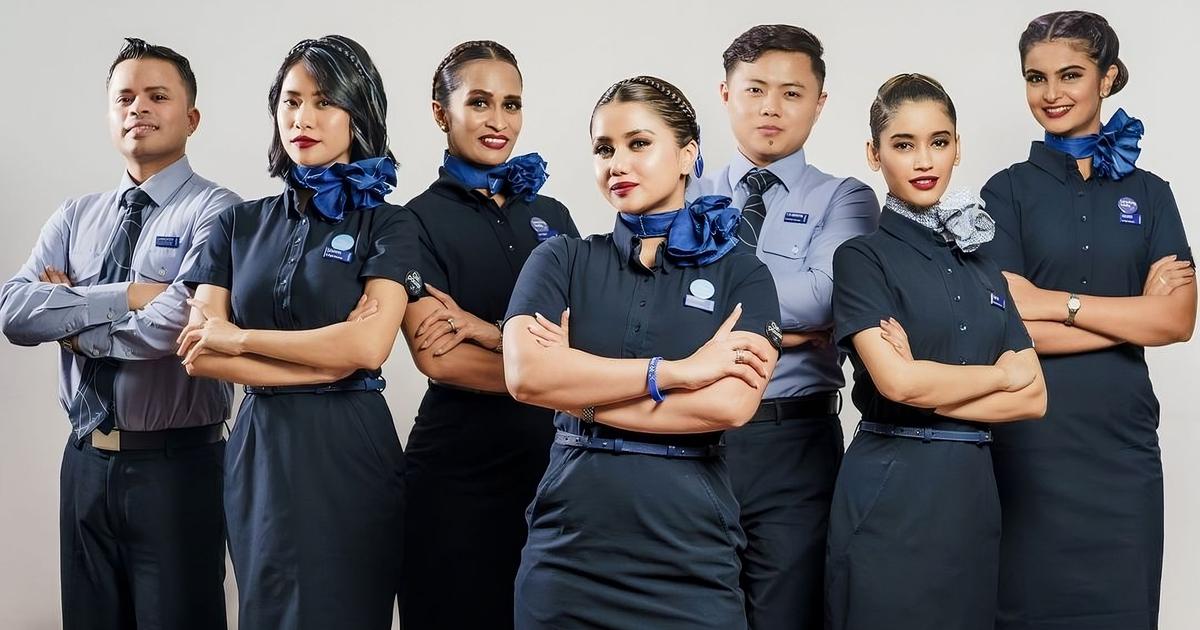
Each flight is a tale of international relationship. Think about a trip starting in Delhi, making a stopover in Dubai, and a destination in Paris, where ten or more nationalities could be represented as passengers. Imagine yourself now as the cabin crew or ground staff professional who can help those passengers. When you can meet them, counsel them, or comfort them in their own language, you will immediately establish an atmosphere of comfort and trust.
That is why multilingual professionals are highly appreciated by aviation employers. Language is crucial at the check-in counters, boarding gates, safety briefings in-flight, and during the emergency measures. Speaking more than one language can assist you:
- Create better relationships with passengers.
- Lessen confusion in stressful events.
- Provide cross-cultural service.
In the current aviation career environment, being multilingual is not a bonus anymore, but a skill set.

Aviation A Global Industry
We choose the right person for the right role
Communication: The Lifeline of Aviation:
Clear communication in aviation is a guarantee of safety, efficiency and professionalism. Miscommunication may result in confusion, delays, and even danger in the case of an emergency. This is why English has been adopted as the universal technical language of the aviation industry.
However, here is the truth: English is not enough by itself.
Jobs that interact with passengers directly, such as cabin crew and customer service personnel and ground handlers, demand more extensive communication skills. Suppose this is a long-haul flight that has Chinese, Spanish, and Middle Eastern passengers. A Mandarin, Spanish or Arabic-speaking flight attendant can transform a tense trip into a comfortable, trusting one.
Cultural sensitivity also comes with multilingual skills. You are not merely talking, you know gestures, etiquette, and feelings. Whether assisting a nervous traveler, a ticketing problem, or medical emergencies, your skill to communicate in several languages makes an impression.
Multilingual Aviation Career Opportunities:
Students have been known to query: Will any additional languages enable me to secure better jobs in the aviation industry? The response is straightforward: Yes, it will.
This is how multilingual skills can diversify your career:
- Improved Employment Prospects: Airline companies favour multilingual employees on international flights.
- Swift Promotions: Language qualifies as an advantage in appraisals and internal transfers.
- International Assignments: Knowledge of other languages, such as French, Arabic, or Mandarin, may be a pathway to overseas opportunities.
- Special Roles: Certain airlines have designated language ambassadors on board, who are given additional duties and increased compensation.
Even low-cost and regional airlines choose candidates who can help various passengers with confidence.
Cultural Intelligence: The Secret Strength:
Multilingualism also imparts cultural intelligence- the skill of knowing and appreciating the values, practices, and expectations of other people. For example:
- Polite greetings in Arabic language demonstrate respect to the culture and establish trust.
- Addressing a troubled family in Spanish establishes an immediate bond.
- Tone and gestures in Japanese and could soothe a nervous traveller from Japan.
Such cultural fluency, coupled with fluency in language, will make you a professional who not only serves but also becomes personally interested in passengers.
Demanded Languages in Aviation:
Although English is the backbone, other languages are greatly treasured in aviation:
- French – This is commonly spoken in Europe, Africa, and some parts of Canada.
- Spanish – Spoken in the Americas and Europe.
- Arabic – Necessary to Middle Eastern airlines and travelers.
- Mandarin Chinese – increasing in prominence as China aviation industry expands.
- German, Russian, Portuguese, Korean, Hindi – Offers extra benefit in international and regional jobs.
- Sign Language – Gaining popularity as the key to inclusivity and passenger-enabling.
Even the addition of one of these languages will make you have competitive advantage in job placements and interviews.
Multilingualism as an Enhancer of Aviation Soft Skills:
Being multilingual not only aids in communication. It reinforces other soft skills required by aviation professionals, including:
- Patience and Empathy – Cultures differ, and tolerance is fostered.
- Flexibility – The ability to switch languages reflects the rush of aviation.
- Problem-Solving – Dealing with sophisticated cases in more than one language enhances decision-making.
- Confidence – Interpreting among languages enhances your self-confidence.
- These are the qualities that not only make you employable but hold so much respect in your job.
Tips to Aviation students to develop Multilingual skills:
Zeal Wings Academy, one of the best aviation training institute in chennai, motivates the students to learn more than one language in addition to their aviation training. Here’s how you can start:
- Take a Language Learning Course – Start with French, Spanish or Mandarin-languages highly valued in aviation.
- Practice Daily – Spend 15-20 minutes a day reading, talking, or listening in the language you are studying.
- Engage in Media: Watch movies, listen to music, or read news articles in your target language.
- Practice with Friends or Peers – Speaking to other people helps you feel confident.
- Emphasize on Real-life Fluency – Airlines do not want perfection but they want to be able to engage in conversations confidently and professionally.
It is all about consistency. Little, consistent actions result in large outcomes.
Final Thoughts
Students who have completed 12th and are planning to work in the aviation industry, you have a golden boarding pass with multilingual skills. They provide:
- Competitive advantage in the recruitment process.
- Confidence in training and interview.
- Increased possibilities of international assignments.
- Capacity to provide superior service and safety.
At Zeal Wings we not only educate future aviation professionals with technical and service-related skills but also guide them how to develop cultural and communication skills that will allow them to become global citizens using aviation language skills
Your job in the aviation industry is not just to fly–it is to connect, comprehend, and make it memorable. Your career can really fly with the right training and multilingual skills.